Is Free IPTV Really Free? Hidden Risks Explained (2026)
Published February 2026 · 15 min read
Have you ever sat on your couch at midnight, typing "free IPTV" into Google and thinking… this can't really be free, right?
I've been there. You see unlimited live TV, premium sports channels, movies, even international content. No credit card. No subscription. Just a quick download and you're in.
It feels like you've just discovered a secret corner of the internet.
But then the questions start creeping in.
Why would anyone give away thousands of live TV channels for free? What's the catch? And why do some of these services disappear overnight?
Maybe you've tried an IPTV free trial before.
Maybe you've downloaded an M3U playlist from a forum.
Maybe you've installed an IPTV app on your Firestick or Android TV because someone on Reddit said it works "perfectly."
And for a while… it does.
Streams load. Sports play smoothly. Movies buffer just enough to be annoying but not enough to make you quit. It feels like you've outsmarted cable companies, streaming platforms, and expensive subscriptions.
But here's the part most people don't talk about.
Free IPTV, IPTV free trial offers, M3U links, live TV streaming apps, APK downloads, even so-called "unlimited IPTV services" all come with trade-offs. Some are small. Some are invisible. Some are risky in ways you won't notice until something goes wrong.
I'm not here to scare you.
I'm here to break it down clearly, honestly, and without the hype.
Because in 2026, streaming is more complicated than ever. Between legal IPTV providers, pirated streams, ad-supported platforms, and paid subscriptions, it's hard to tell what's actually free… and what's quietly costing you something else.
So let's slow this down.
What exactly is IPTV?
What does "free IPTV" really mean?
And most importantly… is it worth it?
Let's start at the beginning.
5 Types of Free IPTV Services (Explained Simply)
What Is IPTV?
Before we go any further, let's clear something up.
What is IPTV, Really?
IPTV stands for Internet Protocol Television.
Instead of using cable lines or satellite dishes, IPTV delivers live TV channels, video on demand (VOD), and even pay-per-view events through your internet connection.
In simple terms, it's TV over Wi-Fi.
When you use services like smart TV apps, streaming boxes, Android TV, Firestick apps, or load an M3U playlist into an IPTV player, you're using IPTV technology.
It sounds technical, but you've probably already used it without thinking about it.
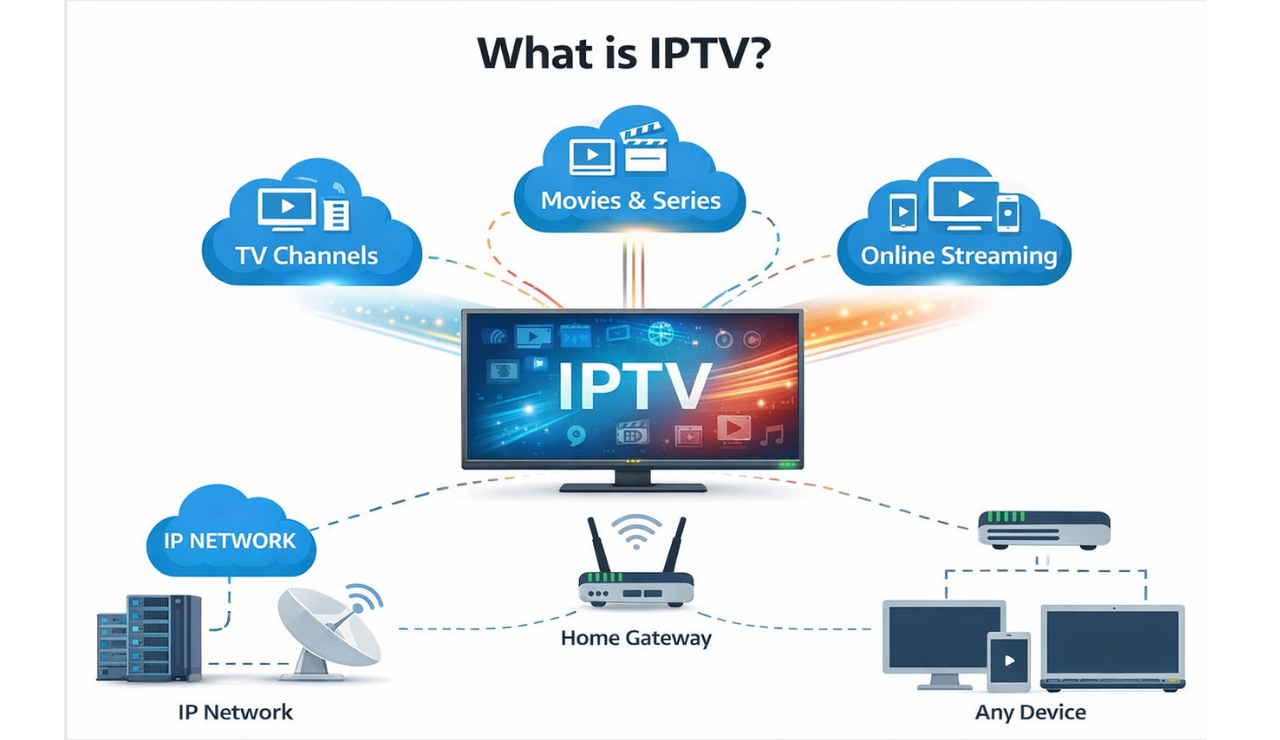
Here's how it usually works:
- Live TV streaming over the internet
- On-demand movies and TV shows
- Sports streaming and international channels
- Cloud-based content instead of physical cables
Legal IPTV providers use licensed servers and content agreements.
Unofficial IPTV services use private IPTV servers, shared M3U links, or subscription-based panels that may not have broadcasting rights.
That's where things start to split.
Not all IPTV is illegal.
Not all IPTV is free.
And not all IPTV services are safe.
Some platforms are fully licensed streaming services.
Others operate in what people like to call a "gray area."
And then there are the completely unverified IPTV apps floating around Telegram groups and online forums.
The technology itself isn't the problem.
It's how the content is sourced, distributed, and monetized that changes everything.
Now that you know what IPTV actually is, we need to talk about what people really mean when they say free IPTV.
What "Free IPTV" Actually Means
When someone says free IPTV, what do they really mean?
Because here's the truth.
"Free" can mean a lot of different things in the IPTV world.
Sometimes it's a free IPTV app that's supported by ads.
Sometimes it's an IPTV free trial that lasts 24 or 48 hours before asking for payment.
Sometimes it's a shared M3U playlist posted in a forum that could stop working tomorrow.
And sometimes… it's an unverified IPTV service streaming premium channels without licensing.
Those are not the same thing.
There are fully legal, ad-supported IPTV platforms that cost nothing but show commercials.
Then there are private IPTV servers offering thousands of premium channels for zero dollars, no subscription, no billing information.
If that sounds too good to be true, you already know why we're having this conversation.
Free IPTV can fall into a few categories:
- Ad-supported live TV streaming services
- Limited IPTV free trials
- Public M3U links and IPTV playlists
- Cracked IPTV apps or modified APK downloads
- Shared access from paid IPTV accounts
Each one carries a different level of risk.
Some cost you time.
Some cost you privacy.
Some might cost you legally.
And here's the part most people overlook.
When you're not paying with money, you're usually paying with something else.
Data. Exposure. Security. Stability.
So before you install that IPTV player or load that free M3U file, it helps to understand exactly which type of "free" you're dealing with.
Because not all free IPTV is built the same.
Types of Free IPTV Services Available
Not all free IPTV services work the same way.
Some are surprisingly legitimate.
Others are… let's just say less transparent.
If you're searching for free live TV streaming or browsing IPTV forums, you'll usually run into one of these types:
1. Ad-Supported IPTV Platforms
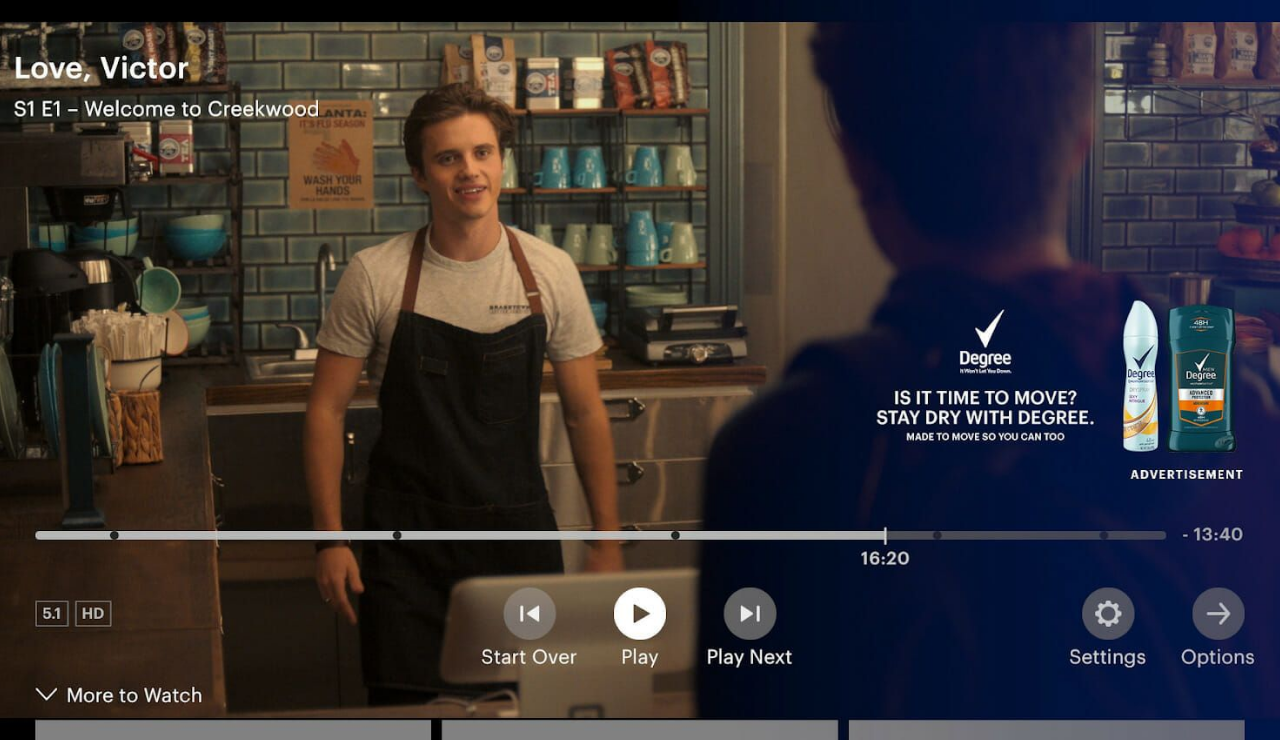
These are legal streaming services funded by ads.
You watch commercials, they cover the cost.
Channels are limited, but the risk is low.
2. IPTV Free Trial Services
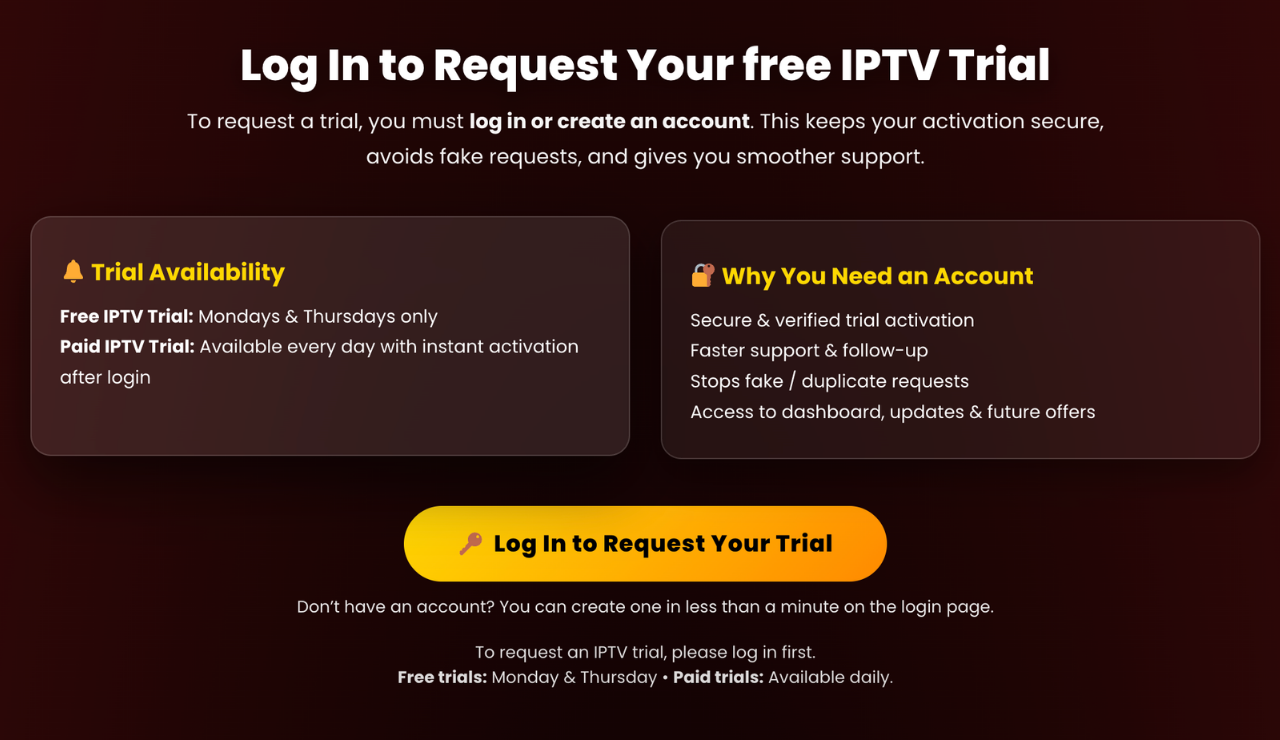
Many paid IPTV providers offer a 24-hour or 48-hour IPTV free trial.
It's designed to hook you.
You test the live channels, sports packages, VOD library… then you decide whether to subscribe.
Pretty standard marketing.
3. Public M3U Playlists
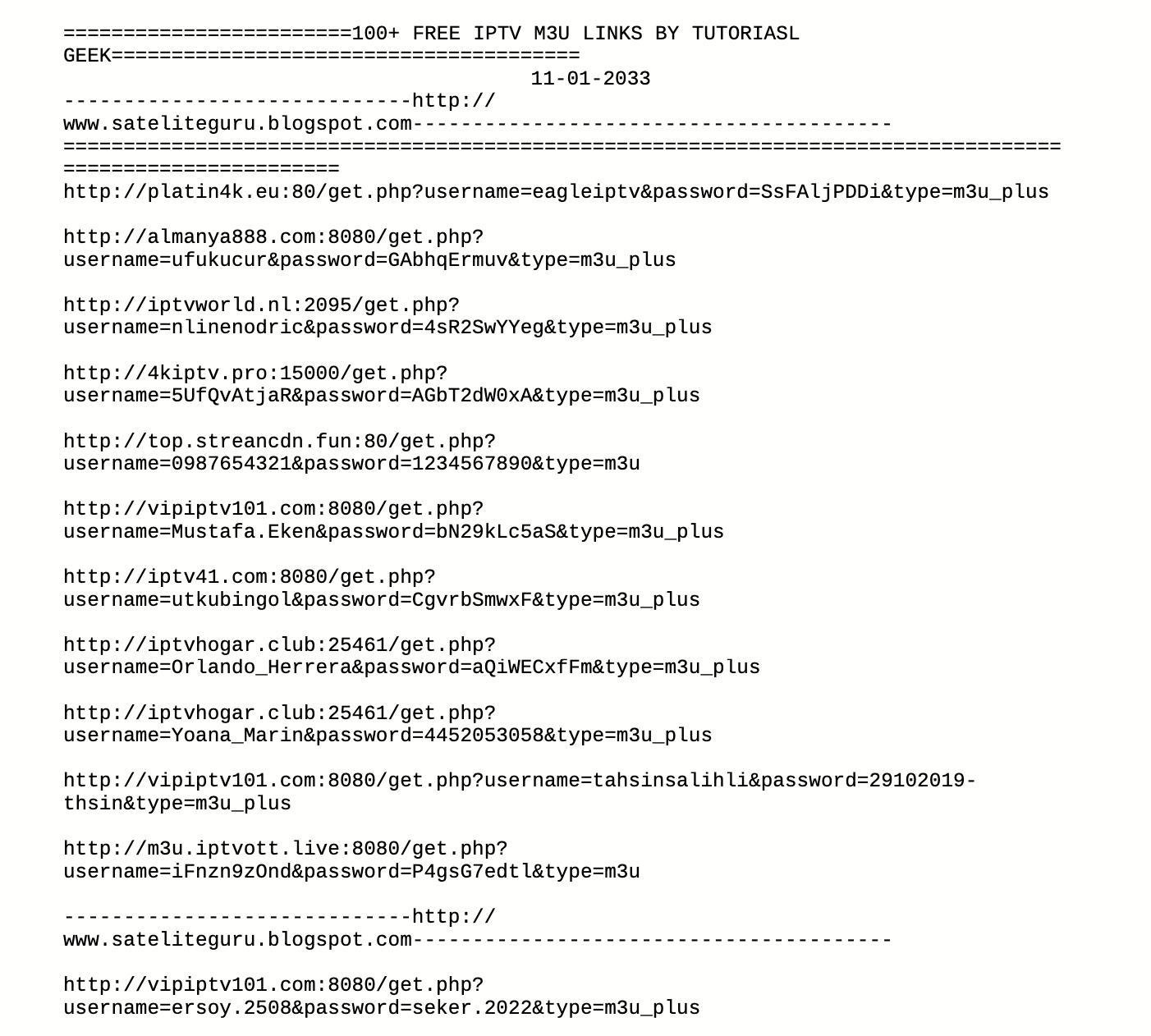
This is where things get unstable.
An M3U file is basically a playlist of streaming links.
People share them online. Sometimes they work. Sometimes they buffer endlessly. Sometimes they disappear overnight.
And you rarely know where the streams are coming from.
4. Unverified IPTV Apps & APK Downloads
These are apps you won't find in official app stores.
They're sideloaded onto Firestick, Android TV, or smart devices.
They often promise:
- Unlimited live TV channels
- Premium sports streaming
- International networks
- No subscription required
Which sounds amazing… until something stops working.
Next, let's talk about what you really need to think about before using any of these options.
Key Considerations Before Using Free IPTV
Before you install that free IPTV app or load an M3U playlist, pause for a second.
Ask yourself what you're actually trading.
Because free live TV streaming isn't just about channels. It's about security, privacy, and reliability.
Here are the key things you should think about:
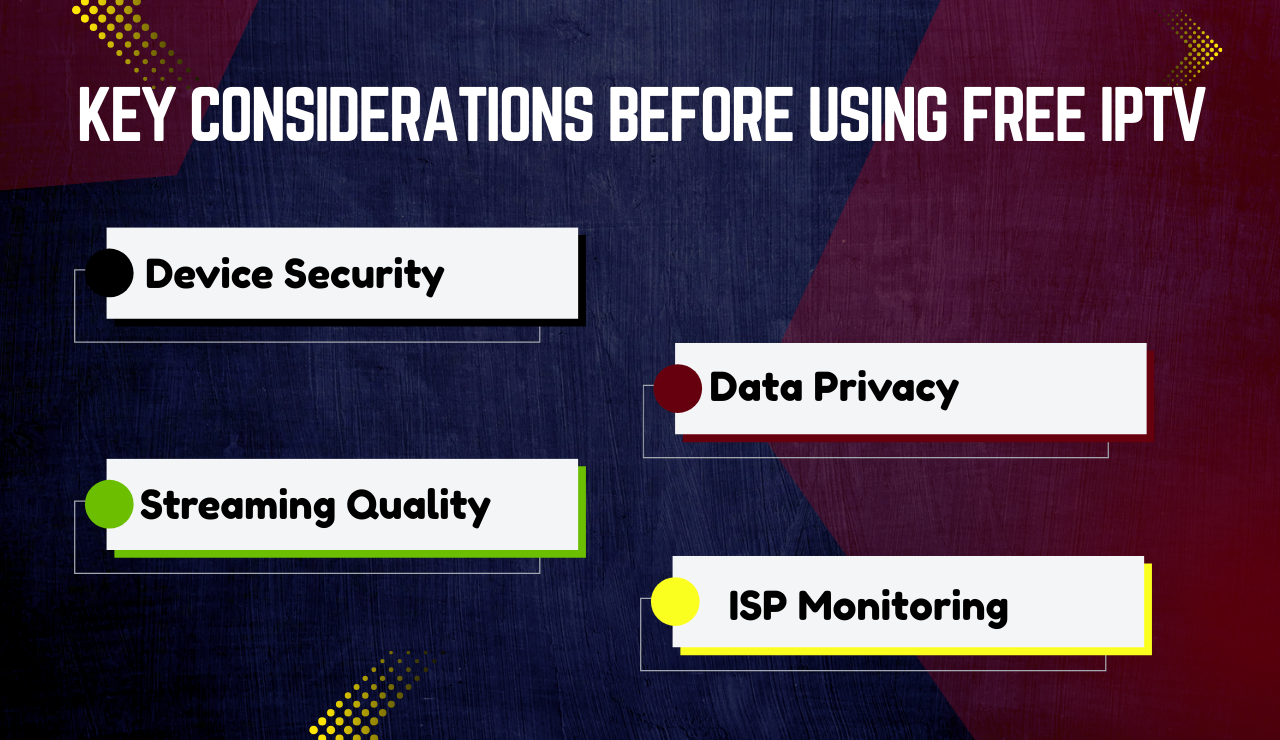
Device Security
Are you installing an IPTV APK from an unknown source? Sideloaded apps on Firestick, Android TV, or smart TVs can carry malware, spyware, or hidden scripts.
Data Privacy
Free IPTV services often track IP addresses, device IDs, and viewing habits. Some IPTV servers log user activity. You don't always know where that data goes.
Streaming Quality
Buffering. Lag. Channels going offline mid-game. Free IPTV streams often rely on unstable servers with limited bandwidth.
ISP Monitoring
Your internet service provider can see traffic patterns. Unverified IPTV streaming sometimes triggers warnings or throttling.
Now let's talk about how these services actually make money if you're not paying upfront.
How Free IPTV Services Really Make Their Money
Let's be honest.
Running IPTV servers, streaming live TV channels, and hosting video on demand content isn't cheap.
Bandwidth costs money.
Servers cost money.
Licensing definitely costs money.
So if you're not paying… how are they making it work?
Here's where it gets interesting.
Ad Overload
Some free IPTV apps flood you with pop-ups, banner ads, and redirect pages. More clicks = more ad revenue.
Data Tracking & Reselling
Many unverified IPTV services collect user data. IP address, device info, viewing behavior, sometimes even email details. User data can be sold to third-party advertisers or data brokers.
Malware & Hidden Software
Certain IPTV APK downloads bundle background processes. Crypto mining scripts. Tracking tools. Hidden installs. You won't see them. But your device performance might.
Upselling Premium Plans
Some "free IPTV" services are bait. They hook you with unstable free streams, then push you toward a paid IPTV subscription.
Illegal Content Monetization
If premium sports, pay-per-view, and cable channels are streaming for free, the provider may be profiting through ads while bypassing licensing fees.
Which brings us back to the original question.
Free IPTV isn't usually free.
It's just monetized differently.
Now let's compare free IPTV, paid IPTV, and fully legal streaming services side by side.
Free IPTV vs Paid IPTV vs Legal Streaming Services
Now this is where things get real.
Not all IPTV services are equal.
Some are free live TV platforms. Some are paid IPTV subscriptions. Others are fully licensed streaming services like Netflix, YouTube TV, Sling TV, Pluto TV, or Tubi.
Let's break it down simply.
Free IPTV
- No subscription cost
- Often uses public M3U playlists or unverified IPTV servers
- Risk of buffering, shutdowns, malware
- Legal gray area in many cases
It feels exciting. It's unpredictable.
Paid IPTV (Unverified Providers)
- Monthly IPTV subscription fee
- Thousands of live TV channels and VOD
- Better stability than free versions
- Still may lack proper broadcasting licenses
You pay less than cable. But legal and security risks can still exist.
Legal Streaming Services
- Fully licensed content
- Stable HD or 4K streaming
- Customer support
- No hidden IPTV risks
You pay more. But you sleep better.
Here's my honest take.
If you want reliability, legal safety, and long-term access, licensed streaming platforms win.
If you're experimenting and understand the risks, free IPTV might seem tempting.
But cheaper doesn't always mean smarter.
Is Free IPTV Legal? Hidden Legal Risks Explained
This is the part most people avoid.
Is free IPTV legal?
The honest answer?
It depends on the source.
IPTV technology itself is completely legal.
Many licensed IPTV providers operate with proper broadcasting rights and content agreements.
The problem starts when streams include:
- Premium cable channels without authorization
- Pay-per-view sports events
- Copyrighted movies and TV shows
- International broadcasts without licensing
That's where copyright law comes in.
Streaming unlicensed content may fall under digital piracy laws depending on your country.
Some regions focus on providers.
Others issue ISP warnings to users.
And yes, internet service providers can monitor traffic patterns linked to illegal IPTV streaming.
Many people believe, "I'm just watching, not uploading."
But accessing copyrighted content without permission can still carry legal risk.
Fines are rare for casual users in some countries.
But service shutdowns, IP blocks, and warning notices are not.
So when you use free IPTV, especially through public M3U links or unverified IPTV apps, you're stepping into a legal gray area.
And gray areas can shift fast.
Now let's talk about something practical.
If someone decides to use free IPTV anyway, how can they reduce the risk?
How to Stay Safe If You Decide to Use Free IPTV Streaming
Let's be realistic.
Some people will still try free IPTV streaming no matter what.
If that's you, at least reduce the risk.
Here's how to be smarter about it.
Use a Secure Device
Avoid installing unknown IPTV APK files on your main phone or work laptop. If possible, use a separate streaming device like a secondary Firestick or Android TV box.
Install Antivirus Protection
Malware and spyware often hide inside modified IPTV apps. Basic security software can catch suspicious files before they run.
Be Careful With M3U Playlists
Public M3U links from forums and Telegram groups can redirect to unsafe IPTV servers. If you don't trust the source, don't load it.
Understand What a VPN Actually Does
A VPN can hide your IP address from your ISP. It does not make illegal IPTV legal. It also doesn't stop malware or data tracking inside an app.
Here is the best VPN for IPTV: Visit NordVPN
Avoid Sharing Personal Information
No legit free IPTV service should need your ID, banking details, or sensitive data. If they ask, that's a red flag.
Expect Instability
Free IPTV streams can go offline at any time. Never rely on them for something important, like a live sports final you care about.
Staying safe with free IPTV isn't about being paranoid.
It's about understanding the trade-offs.
Now let's answer the final big question.
Is Free IPTV Worth It in 2026?

So after all this…
Is free IPTV actually worth it?
It depends on what you value more.
Saving money today?
Or stability, privacy, and peace of mind?
Here's the real breakdown.
Short-Term Benefits
- Zero subscription cost
- Instant access to live TV channels
- Free sports streaming and VOD content
- Easy setup with IPTV apps or M3U playlists
It feels like a win. Until it isn't.
Long-Term Risks
- Buffering during major live events
- IPTV servers shutting down
- Malware from unverified APK downloads
- Legal gray areas and ISP warnings
- Data tracking and privacy concerns
Free IPTV can work.
But it's rarely reliable.
If you're casually testing streams, understand the trade-offs.
If you want consistent HD streaming, customer support, and legal protection, licensed streaming services or verified IPTV subscriptions are safer choices.
Free always sounds attractive.
But "worth it" depends on what you're willing to risk.
Conclusion: So… Is Free IPTV Really Free?
Let me bring this back to you.
When you search for free IPTV, IPTV free trial offers, or download random M3U playlists, what are you really expecting?
Unlimited live TV?
Premium sports streaming?
Thousands of channels without paying a cent?
That's the promise.
The reality is more complicated.
Free IPTV streaming often comes with trade-offs:
- Unstable IPTV servers
- Buffering and downtime
- Privacy and data tracking risks
- Possible copyright and legal gray areas
The technology itself isn't the problem.
IPTV as a system is legitimate.
But unverified IPTV services and illegal streaming sources change the equation.
If you're experimenting, go in informed.
If you want long-term reliability, secure streaming apps, and legal protection, paid and licensed platforms are simply safer.
Free IPTV isn't always a scam.
But it's almost never truly free.
Now, let's answer some of the most common questions people still have.
FAQs About Free IPTV (2026)
What is the "catch" with free services?
Free IPTV services usually make money in other ways.
- Ads and pop-ups
- Data tracking
- Selling user information
- Upselling paid IPTV subscriptions
- Streaming unlicensed content
If you're not paying with money, you're often paying with data, privacy, or reliability.
Do I need an IPTV player or a subscription?
It depends on the service. M3U playlists require an IPTV player (like IPTV Smarters or TiviMate). Paid IPTV services usually require a subscription login. Legal streaming apps don't need M3U files at all. Free IPTV often means more setup.
How do I get free IPTV on a Firestick?
Most people:
- Install a third-party IPTV app
- Sideload an APK file
- Add an M3U playlist or portal URL
Be careful with unknown APK downloads. Firestick IPTV setups from unofficial sources carry security risks.
Why is my free IPTV buffering?
Buffering usually happens because:
- Overloaded IPTV servers
- Weak internet connection
- Low-quality streaming sources
- Too many users on the same M3U link
Free IPTV streams rarely have stable bandwidth.
Can I get a free trial for a paid service?
Yes. Many paid IPTV providers offer an IPTV free trial for 24–48 hours. Legal streaming platforms like YouTube TV or premium services sometimes offer promotional trials too. That's usually a safer way to test before committing.
Is IPTV legal in the United States?
IPTV technology is legal in the U.S. Licensed providers operate legally. Streaming copyrighted content from unverified IPTV services without permission may violate copyright laws. The legality depends on the content source.
Are free IPTV playlists legal?
Public M3U playlists are legal only if the streams are licensed. If they include premium cable channels, pay-per-view sports, or copyrighted movies without authorization, they may be illegal. Most users don't know the source. That's the risk.
Can IPTV be detected?
Yes. Internet service providers can see traffic patterns associated with IPTV streaming. They may not see the exact content, but unusual streaming activity can be flagged. A VPN hides your IP address, but it does not make illegal IPTV legal.
Can IPTV be blocked by an internet provider?
Yes. ISPs can:
- Block IPTV server domains
- Throttle streaming traffic
- Send warning notices
This is more common with unlicensed IPTV services.
Legal Disclaimer: Always ensure to use IPTV services by local regulations and copyright laws. Respecting intellectual property rights is essential. Before subscribing, make sure to confirm the legitimacy of the service. We are not responsible for any of these subscriptions or any choices you make; this review is for informational purposes only.